March 24, 2026
Winter brings the beauty of snow-covered landscapes, but it also introduces challenges for homeowners and businesses alike. In fact, according to the Federal Highway Administration, over 70% of roads in the U.S. are located in snowy areas! Clearing snow efficiently is essential for safety, accessibility, and preventing property damage. Two commonly discussed methods are snow removal and snow plowing. While both serve the purpose of clearing snow, they involve different techniques, equipment, and results. Understanding these differences is crucial for selecting the right solution for your property. In this blog, we'll explore the distinctions between snow removal and snow plowing, including their benefits, applications, and considerations.
Defining Snow Removal
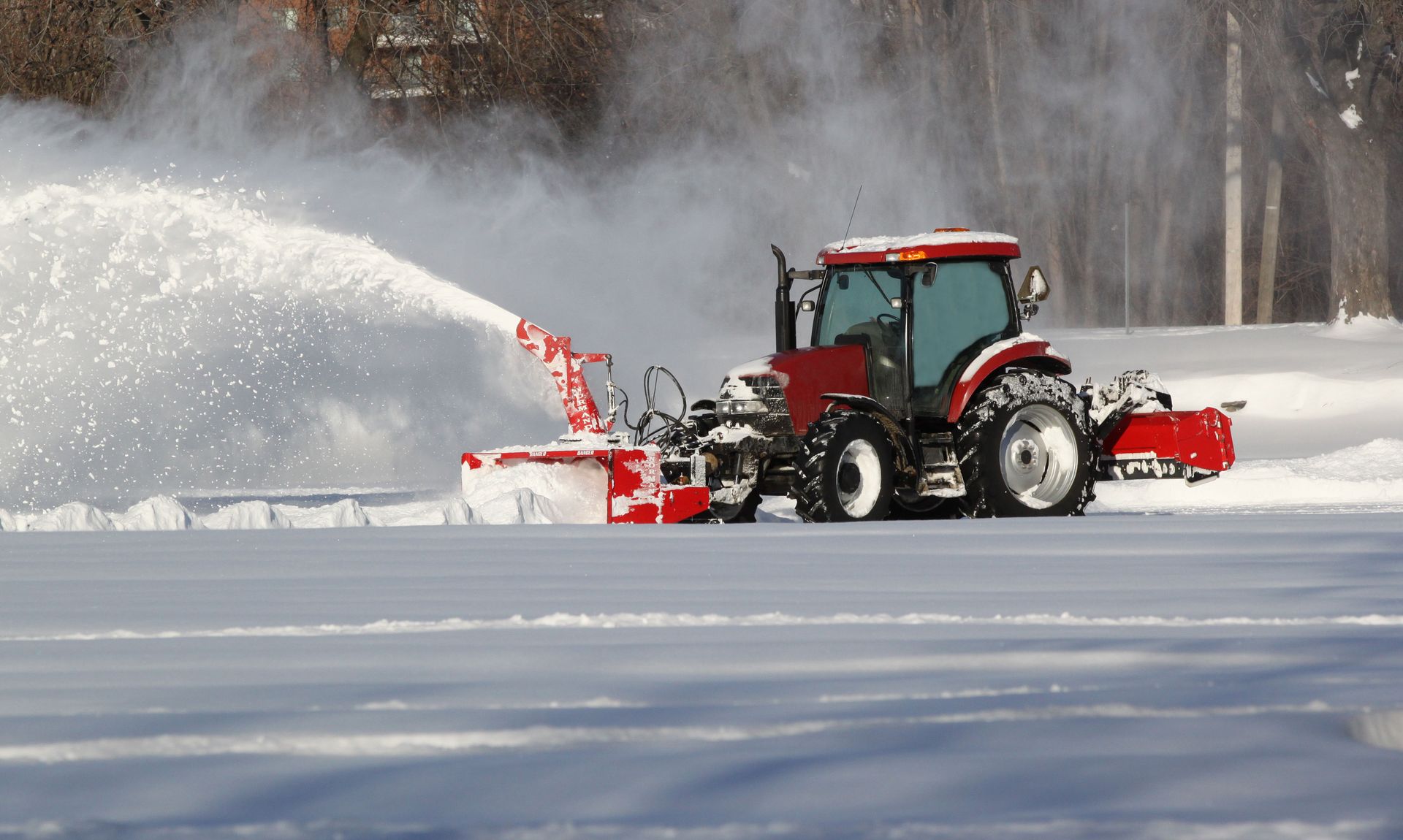
Snow removal refers to the process of completely removing snow from a property, often including sidewalks, driveways, parking lots, and other hard surfaces. This method involves picking up snow and relocating it to a designated area, rather than just pushing it aside. Snow removal can be done using specialized trucks, loaders, snow blowers, or other heavy machinery for larger areas. Professional services ensure that snow is not left in inconvenient locations or piled in a way that obstructs traffic or property features. Snow removal is typically employed when precision and thoroughness are necessary, such as around commercial buildings or high-traffic areas.
Defining Snow Plowing
Snow plowing is the act of using a plow blade to push snow off roads, driveways, or parking areas. Rather than removing the snow entirely, plowing moves it to the edges or designated sections. Plowing is often faster than full removal, making it ideal for large areas where clearing snow quickly is essential. Snow plowing is commonly performed with trucks, tractors, or specialized plow vehicles and is especially effective for streets, parking lots, and long driveways. While it efficiently clears pathways, it may leave snow piles along edges that require additional attention.
Equipment Differences
The equipment used for snow removal and snow plowing varies significantly. Snow plowing typically relies on plow-equipped trucks, tractors, or skid steers, designed to push snow into piles. In contrast, snow removal often uses loaders, dump trucks, and heavy machinery capable of picking up and transporting snow offsite. Additionally, snow blowers or industrial vacuum systems may assist in removing snow from sidewalks and smaller areas. The choice of equipment impacts efficiency, speed, and the type of snow that can be managed. Professional operators select the appropriate machinery based on property size, snow volume, and desired outcome.
Scope of Work
Snow plowing generally addresses large surfaces quickly, making it suitable for roads, parking lots, and long driveways. Its primary purpose is to make areas passable immediately after snowfall. Snow removal, however, involves a more comprehensive approach. It ensures that snow is not only cleared from walking or driving surfaces but is also relocated to areas where it will not obstruct access or create hazards. Snow removal is ideal for properties where thorough clearing is required, such as commercial lots, municipal buildings, or high-traffic residential areas. The scope of work dictates the time, labor, and equipment needed.
Time and Efficiency
Snow plowing is generally faster and more efficient for clearing large expanses of snow, especially during continuous snowfall. A plow can clear hundreds of feet of road or a large parking lot in minutes. Snow removal, while more thorough, takes longer due to the process of loading, hauling, and relocating snow. For areas where immediate accessibility is critical, plowing may be the preferred approach. However, if snow piles left by plows create problems or violate local regulations, snow removal ensures complete clearance and a safer, more manageable environment. Timing and efficiency considerations are important when scheduling services.
Safety Considerations
Safety is a major factor in choosing between snow plowing and snow removal. Plowing reduces the risk of slipping or vehicle accidents on large surfaces by quickly clearing snow. However, the piles created at the edges can create visibility issues for pedestrians and drivers. Snow removal eliminates these hazards by removing snow entirely, reducing the risk of collisions or blocked access. For areas with high foot traffic, entrances to buildings, or emergency access points, snow removal ensures the safest possible environment. A professional assessment can determine which method minimizes risks most effectively for your property.
Cost Differences
The cost of snow removal and snow plowing varies based on property size, snow volume, and complexity of the job. Snow plowing is often less expensive due to its speed and minimal handling of snow. Snow removal is more labor-intensive and requires more equipment, which typically increases the cost. However, investing in snow removal may prevent future expenses related to accidents, blocked access, or regulatory fines. Many commercial properties choose a combination of plowing and removal to balance cost and safety. Professional providers can offer quotes and recommend the most cost-effective approach based on property requirements.
Seasonal Considerations
Snow plowing is particularly useful during heavy or frequent snowfalls, when quick clearing is necessary to maintain accessibility. Snow removal is often scheduled after significant accumulations, or when plow piles become unmanageable. Seasonal planning helps homeowners and businesses prepare for extended winter periods, ensuring that access points remain functional and safe. By understanding weather patterns and expected snowfall, property managers can schedule plowing for immediate clearing and removal for thorough, long-term management. Proper planning minimizes disruptions and ensures both pedestrian and vehicle safety throughout the winter.
Environmental Impact
Both snow plowing and removal have environmental considerations. Snow plowing generally leaves snow in piles that may melt into streets, sidewalks, or landscaped areas, potentially causing ice hazards or runoff issues. Snow removal allows snow to be relocated to areas that minimize environmental impact, such as designated storage or melting zones. Additionally, using equipment efficiently reduces fuel consumption and emissions. Professional services often follow local regulations to prevent water contamination and manage snow responsibly. Considering environmental impact is an important aspect of selecting the right approach for commercial and residential properties alike.
Combining Snow Plowing and Removal for Maximum Efficiency
For many properties, combining snow plowing and snow removal provides the most effective winter management. Plowing can be used immediately after snowfall to quickly clear primary pathways and maintain accessibility. Once snow has accumulated to the point where plow piles become cumbersome or hazardous, snow removal can be scheduled to fully clear and relocate snow. This hybrid approach ensures safety, reduces obstruction, and maintains aesthetics on the property. Many commercial and municipal properties benefit from this dual-method strategy, as it balances speed, efficiency, and thoroughness, allowing operations to continue smoothly even during heavy winter storms.
Choosing the Right Service
Selecting between snow removal and snow plowing depends on property type, size, snowfall volume, and safety requirements. Residential properties with smaller driveways or low snowfall may benefit from plowing for speed and convenience. Commercial properties, municipal areas, or high-traffic zones may require full snow removal to ensure safety and accessibility. Many property managers choose a combination approach, plowing initially for immediate access and removing snow later to prevent pile buildup. Consulting with a professional snow management company ensures that your property receives the most effective, safe, and cost-efficient service throughout the winter.
Understanding the difference between snow removal and snow plowing helps property owners make informed decisions about winter maintenance. Professional snow management services can assess your property and ensure safe, accessible outdoor spaces all season long. When you hire our team at Glenhaven Snow Company, LLC, serving Montgomery County, PA and the surrounding areas, you can count on every site to have a trained and dedicated crew. Contact us today to learn more!