April 20, 2026
Commercial properties face unique challenges when snow and ice accumulate. Even outside of peak winter, planning ahead can prevent unexpected weather from creating blocked entrances, hazardous surfaces, and operational disruptions. For property managers and facility operators, proactive snow and ice management is a strategic investment that safeguards people, preserves high-traffic surfaces, and ensures smooth business operations. Preparing walkways, parking lots, and building entrances in advance reduces liability exposure while enhancing the experience for employees, visitors, and delivery personnel.
Beyond safety, having a pre-season snow removal plan supports operational efficiency. According to IBISWorld, nearly 40% of snowplowing service revenue comes from commercial clients requiring parking lot and street clearing. This underscores the importance of planning ahead for clear, safe access to key areas, allowing businesses to operate without interruption and reducing liability risks.
Why Pre-Season Snow Removal Planning Is Critical for Commercial Properties
Preserves Concrete and Asphalt
Compacted snow and ice, combined with repeated freeze-thaw cycles, accelerate deterioration on parking lots and walkways. By planning snow removal strategies ahead of time, property managers can prevent excessive compaction and surface damage before it occurs. This proactive approach reduces long-term repair costs and ensures safer surfaces for both vehicles and pedestrians when winter conditions arrive.
Prevents Ice Buildup in High-Traffic Areas
Entrances, loading docks, and curb cuts are among the most heavily used zones on a commercial property. Planning in advance for snow and ice removal helps mitigate hazards before they form. Establishing a schedule for clearing these areas and strategically applying de-icing treatments reduces the risk of slips and operational delays, keeping critical areas safe and accessible once snow does accumulate.
Supports Operational Continuity
Blocked parking stalls, narrowed drive lanes, and icy entrances can disrupt daily operations. Planning a snow removal strategy in the spring ensures employees, deliveries, and customers maintain access regardless of future conditions. A pre-season plan allows businesses to operate on schedule and minimize downtime when snow or ice eventually occurs.
Maintains Safety for Vehicles and Pedestrians
Commercial properties must accommodate both foot traffic and vehicles safely. Early planning allows property managers to design efficient clearing patterns, identify high-risk zones, and ensure well-defined pedestrian and vehicle pathways. This preparation prevents congestion and confusion during snow or icy events and supports predictable traffic flow across the property.
How Planning Ahead Improves Safety
Reduces Slip-and-Fall Risk
Slip-and-fall incidents are among the most common commercial liabilities during icy conditions. Preparing a snow and ice management plan before the season ensures that high-risk walkways, entrances, and crosswalks are cleared promptly when snow arrives. Strategically scheduling clearing and de-icing treatments reduces the likelihood of falls and injuries.
Guarantees Emergency Access
Emergency routes, including fire lanes and primary drive aisles, must remain accessible at all times. Planning ahead ensures these critical paths are included in the snow removal strategy, allowing first responders to reach buildings without delay. Advance preparation reduces safety risks when rapid response is essential.
Supports Safe Vehicle Movement
Parking lots and drive lanes can become hazardous if snow and ice accumulate unexpectedly. By planning lane-clearing strategies and vehicle access patterns in advance, property managers help drivers navigate safely, preventing collisions, blocked traffic flow, and accidents caused by poor visibility or icy surfaces.
Improves Visibility
Snowbanks and unplowed areas can reduce sightlines at intersections, entrances, and pedestrian crossings. Incorporating visibility concerns into pre-season planning ensures key areas are prioritized for clearing, reducing near-misses and accidents when conditions arise.
Best Practices for Pre-Season Commercial Snow Removal Planning
Establish Plowing and Mechanical Clearing Strategies
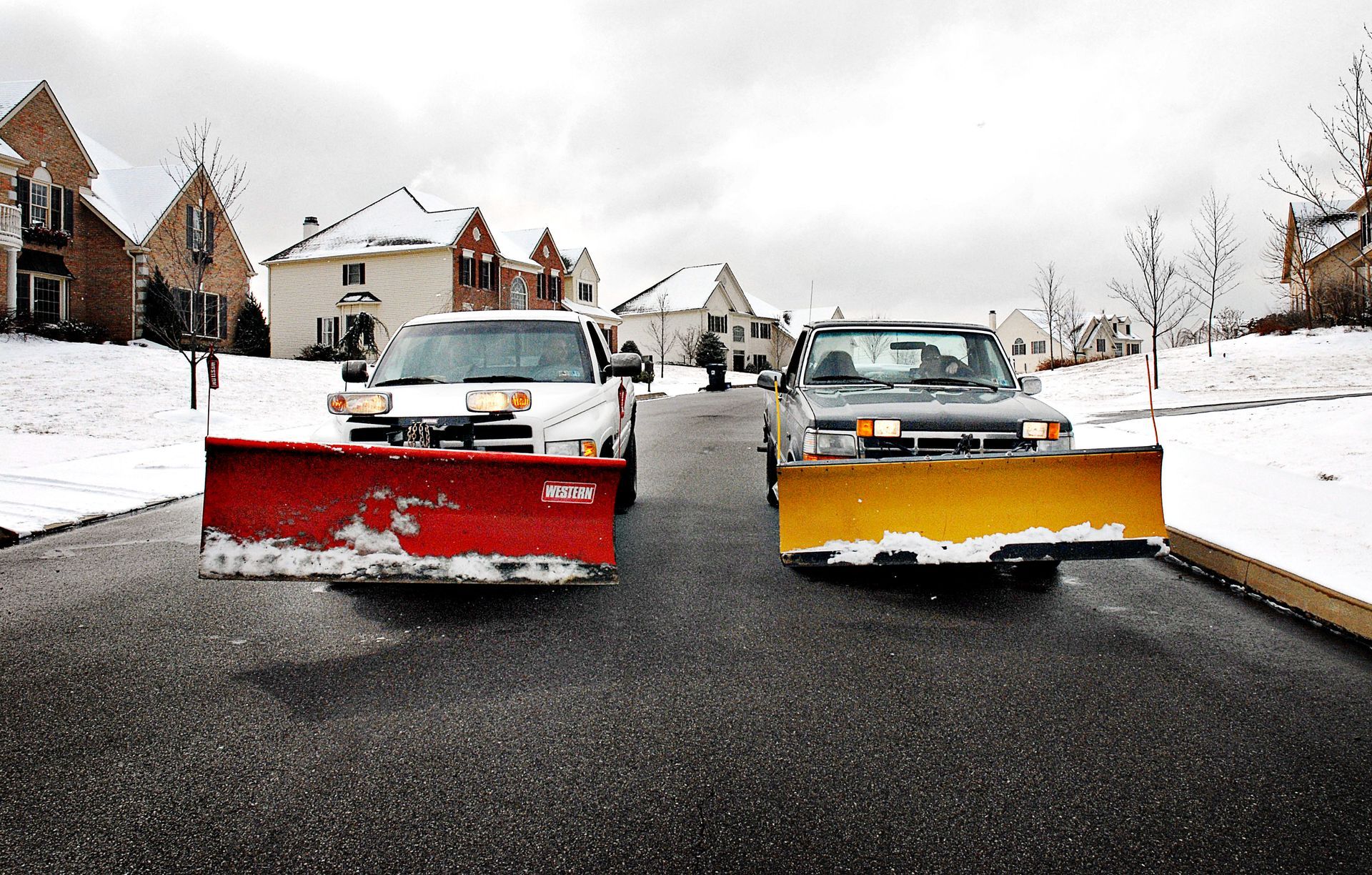
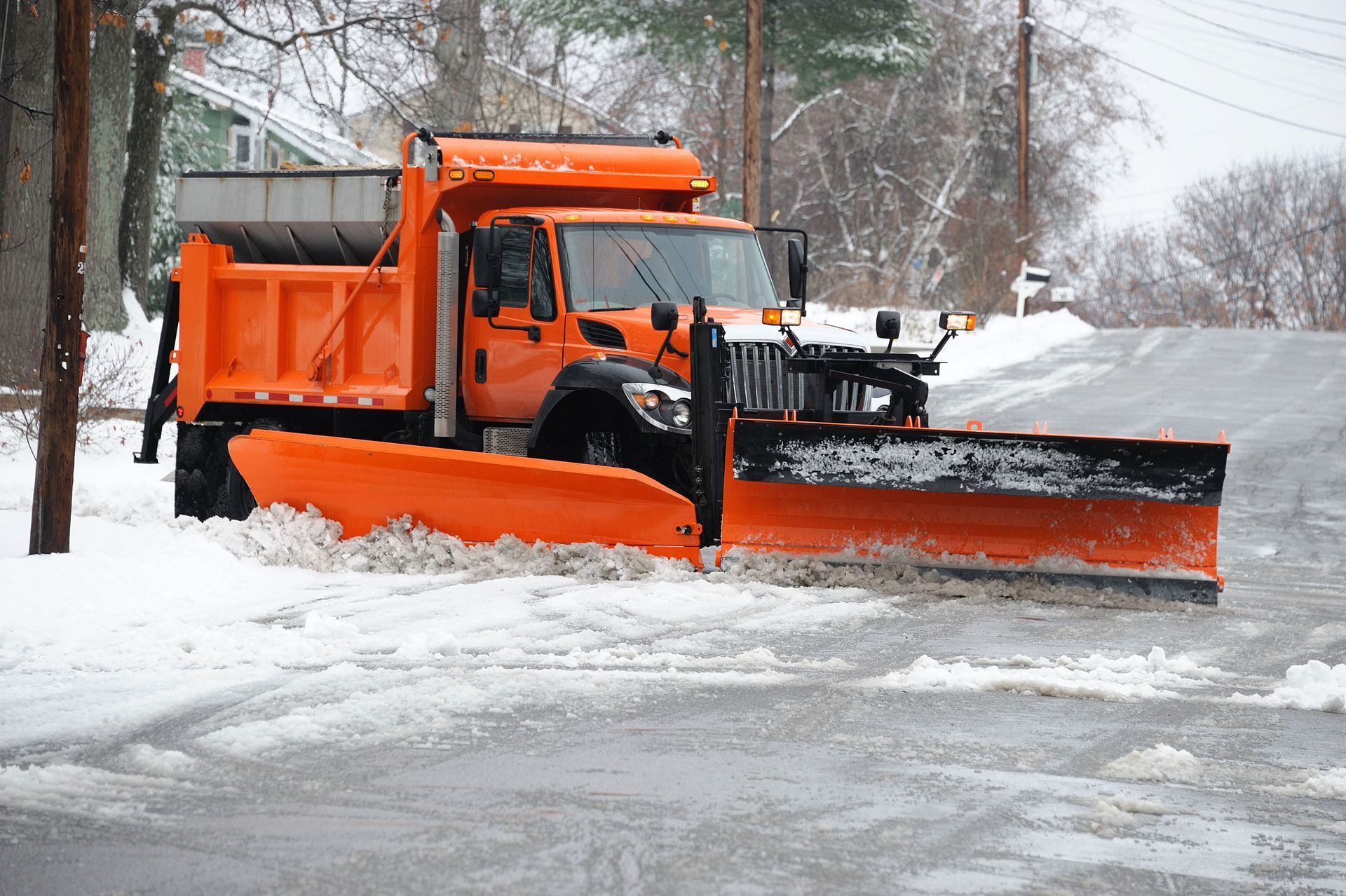
Large surfaces like parking lots and drive aisles require effective mechanical clearing. Pre-season planning allows managers to map proper plow patterns, maintain access lanes and turning zones, and avoid blocking entrances. Planning ensures that when snow arrives, crews can execute efficiently and consistently.
Designate Sidewalk and Pathway Clearing
Pedestrian pathways require careful attention to maintain safety. Planning which walkways and entrances will receive priority clearance helps ensure pedestrian routes remain accessible during snow events. This attention to detail enhances first impressions for customers and visitors while reducing liability exposure.
Schedule Strategic De-Icing
Planning ahead allows property managers to identify problem areas that require de-icing, such as entryways, loading zones, and ramps. Establishing protocols for timing, coverage, and material use ensures that these areas are safer and more predictable once snow and ice accumulate.
Secure Professional Service Contracts
Partnering with a professional snow removal provider in advance ensures consistent, reliable coverage throughout the season. Service agreements allow crews to monitor conditions, deploy equipment efficiently, and align operations with business hours and traffic patterns. Early contracting reduces the burden on internal staff and guarantees readiness for any snow or ice event.
How Often Should Snow Be Cleared?
Consider Accumulation and Event Intensity
Pre-season planning helps determine the frequency of service based on expected snowfall or ice events. Light accumulation may require occasional clearing, while heavy events may necessitate multiple passes. Anticipating different scenarios ensures the property remains safe and accessible throughout the season.
Prioritize High-Traffic Areas
Entrances, main walkways, and primary drive lanes should receive extra attention. Planning their maintenance schedule ahead of time ensures these zones remain accessible during peak hours and prevents congestion or unsafe conditions when snow or ice does occur.
Routine Checks and Maintenance
Even between events, residual ice or compacted snow can create hazards. Pre-season plans should include regular monitoring and touch-ups to prevent slips, maintain surface integrity, and ensure all high-risk areas remain safe.
Compliance With Local Guidelines
Municipal regulations often require cleared walkways and accessible public areas. Including these requirements in a pre-season strategy reduces liability and ensures adherence to community safety standards when snow arrives.
Risks of Failing to Plan Ahead
Increased Liability Exposure
Without a pre-season plan, property owners may struggle to maintain safe walkways and parking areas, increasing the risk of slip-and-fall claims. Documented strategies and scheduled services demonstrate proactive risk management and due diligence.
Accelerated Surface Damage
Compacted snow and ice can quickly deteriorate concrete and asphalt if not addressed. Planning removal strategies in advance helps prevent excessive wear, extending the life of high-traffic surfaces and reducing repair costs.
Operational Disruptions
Unexpected snow or ice can delay deliveries, hinder staff access, and discourage customer visits. Preparing in advance ensures predictable operations and reliable property access when conditions arise.
Environmental Considerations
Poor planning can lead to overuse of de-icing materials or uneven application, increasing environmental impact. A structured pre-season strategy allows efficient, safe use of materials while maintaining accessibility across the property.
Steps to Pre-Season Planning for Commercial Snow Removal
- Pre-Season Contracts: Secure agreements with experienced snow removal providers before any events occur to guarantee availability and reduce emergency response stress.
- Equipment Assessment: Check that on-site equipment and tools are functional and ready for deployment.
- Staff Coordination: Assign internal contacts for monitoring, service notifications, and emergency communication.
- Risk Evaluation: Identify high-traffic areas, drainage concerns, and bottlenecks that require priority clearing.
- Integrated Safety Plans: Combine snow removal with de-icing, signage, and pedestrian guidance to ensure a comprehensive safety approach.
By taking these steps in advance, commercial properties can remain operational, safe, and compliant with regulations when snow or ice occurs.
Investing time in pre-season snow and ice removal planning protects people, preserves high-traffic surfaces, and supports uninterrupted operations. A structured plan, professional service contracts, and attention to high-risk zones minimize liability, maintain access for vehicles and pedestrians, and improve overall safety. Preparing in advance, rather than reacting during snow events, strengthens operational efficiency and ensures long-term property maintenance.
Commercial property owners who prioritize pre-season planning position themselves to maintain business continuity, protect assets, and create a safer, more accessible environment for employees, customers, and visitors. Planning ahead with reliable snow management is not just about preventing hazards—it’s an investment in operational resilience, safety, and efficiency.
Plan ahead for safe, accessible commercial properties—schedule your seasonal snow and ice removal with Glenhaven Snow Company, LLC today.